Introduction
In the rapidly evolving landscape of social media, data serves as the backbone of every successful digital strategy. For those who view social platforms through a technical lens, Instagram activity tracking for tech enthusiasts offers a unique opportunity to peel back the layers of engagement, reach, and audience behavior. Rather than relying on intuition, the modern tech-savvy creator or marketer uses granular data to refine their approach, ensuring that every post is optimized for maximum impact. Whether you are an aspiring data analyst, a developer optimizing content delivery, or a curious power user, understanding the ecosystem of Instagram metrics is essential. By observing trends without leaving a digital footprint, you gain an objective view of how the ecosystem functions.
The Mechanics of Instagram Activity Tracking
At its core, Instagram activity tracking for tech enthusiasts involves the systematic collection and interpretation of engagement signals. Unlike basic vanity metrics, professional-grade tracking focuses on conversion paths, story dwell times, and algorithmic triggers that signal quality to the platform's ranking engines. Tech enthusiasts often approach this by categorizing data into three pillars: reach metrics, engagement depth, and temporal patterns.
Understanding the Algorithmic Data Feed
The Instagram algorithm functions as a multi-layered recommendation engine driven by machine learning. When you track activity, you are essentially reverse-engineering how the server prioritizes content. By observing dwell time—the duration a user lingers on a specific reel or story—you can deduce what content quality the algorithm favors. This technical approach requires users to treat every interaction as a quantifiable data point rather than a social gesture. The algorithm prioritizes 'interest' based on historical interaction, meaning that tracking how content moves through a network can reveal the underlying connectivity of your niche.
Parsing Metadata and User Interaction
Beyond visible likes and comments, professional tracking involves observing the timing of content releases. By logging when high-engagement accounts post, you can calculate the optimal refresh interval for your own content. This is the cornerstone of effective Instagram activity tracking for tech enthusiasts who want to master timing. Metadata often includes geolocation tags, hashtag hierarchies, and the specific cadence of audio usage in short-form video. By mapping these, you can identify 'viral triggers'—the specific combination of variables that causes content to breach its initial follower audience and enter the 'Explore' discovery page.
Strategic Frameworks for Tech-Oriented Creators
For the tech-oriented user, Instagram is less about aesthetic intuition and more about systems performance. Tracking allows you to isolate variables—such as the time of day, the use of specific hashtags, or the impact of long-form captions—to determine what creates a 'win.' When you treat your profile as a laboratory, every post becomes a controlled experiment. This requires a rigorous documentation process, moving away from subjective quality assessments toward objective data logging.
The Laboratory Approach to Content
By using controlled variables, you can test different engagement strategies. For example, by publishing content at specific UTC offsets over a week, you can map the active engagement window of your audience. This empirical evidence provides a massive advantage over those relying on trial and error. You should also consider A/B testing variations of your hooks or thumbnails. When tracking the performance of these variants, look for 'delta' metrics—the change in engagement rate between variant A and variant B. This isolate-and-observe method ensures your content strategy is continuously evolving based on hard performance data.
Integrating Automation in Your Workflow
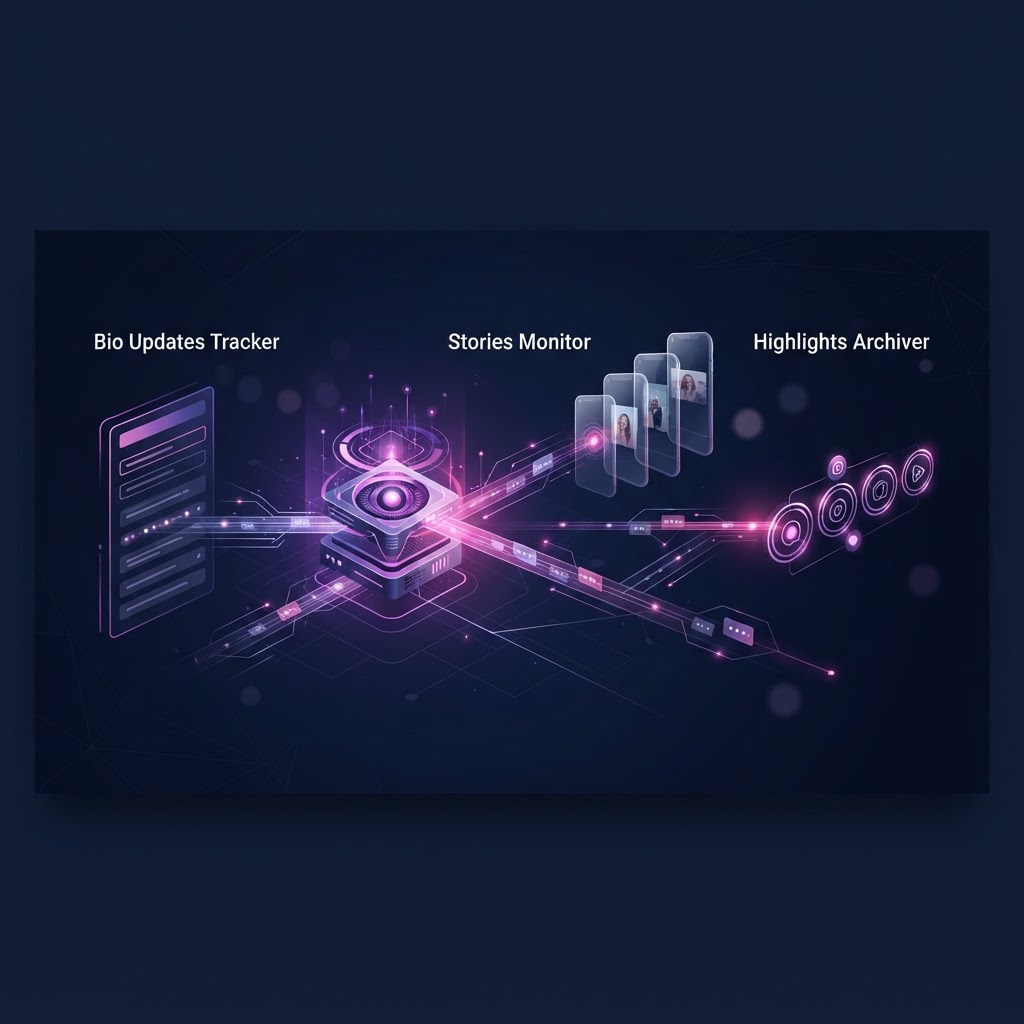
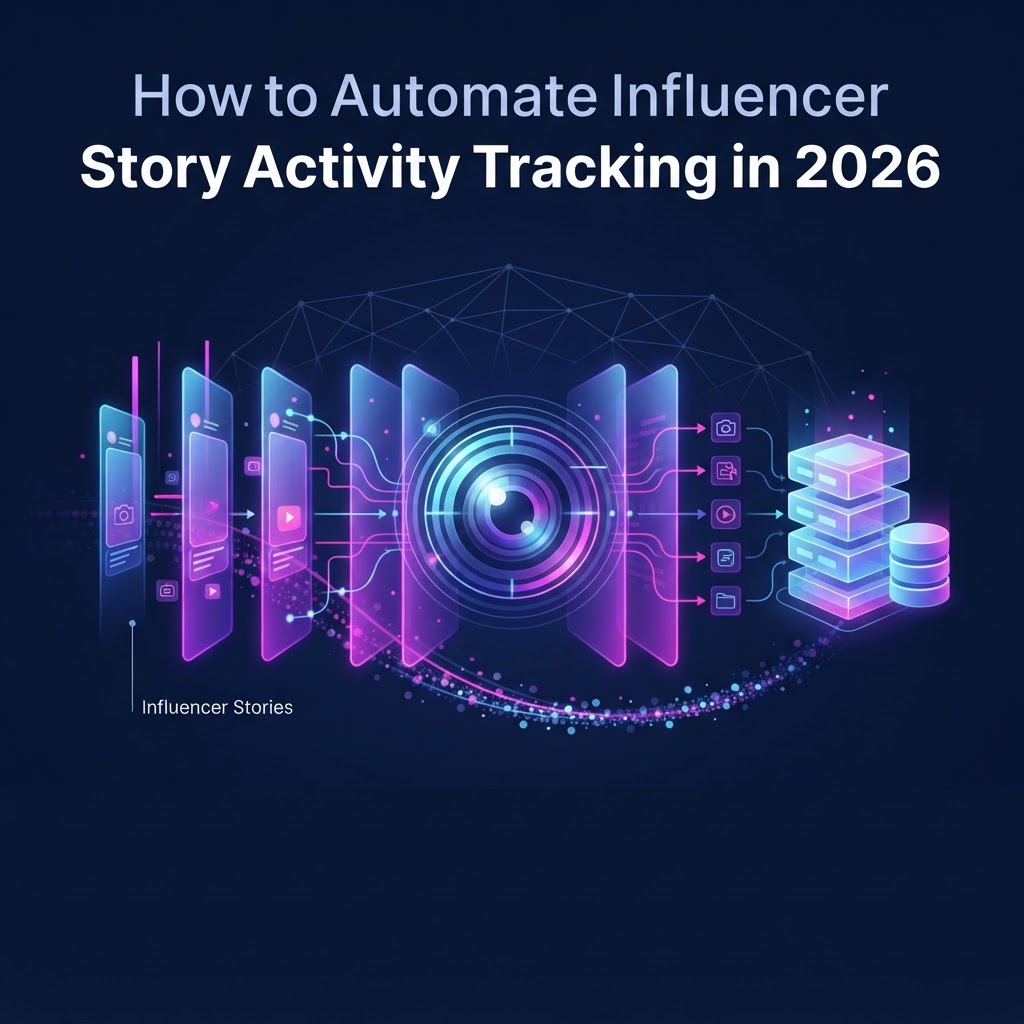
Using custom scripts or automated API collectors can help aggregate data that would take hours to harvest manually. For those who need a simpler, reliable interface, utilize specialized tools to access public Instagram stories and reels, allowing you to observe trends in real-time without manual overhead. Automation allows you to track hundreds of accounts simultaneously, creating a 'feed of feeds' that identifies micro-trends before they hit mainstream saturation. When building your stack, focus on collectors that normalize data into formats like CSV or JSON, which allow for later ingestion into visualization tools like Tableau or Python’s Pandas library.
Essential Tools and Technical Stack
To perform effective Instagram activity tracking for tech enthusiasts, you need a robust stack of software. While native tools provide a baseline, power users often integrate third-party solutions to bypass interface limitations and gain deeper insights into performance trends. Your stack should ideally include a proxy layer, a scraper or data aggregator, and a visualization tool.
Comparing Native vs. Advanced Monitoring
Native tools, like the Professional Dashboard, are limited to account owners and offer insights only into your own performance. Advanced monitoring involves third-party suites that track broader market trends. A comparative look reveals that native tools excel at internal metrics, while third-party tools are essential for competitive intelligence. Competitive monitoring involves looking at the 'velocity' of engagement—how fast a post gains traction in the first sixty minutes. Native tools cannot provide this context for competitor accounts, making external data collection vital for those conducting market research.
Managing Data Across Devices
Whether you are on a desktop using browser dev tools to inspect network packets or using a mobile device to monitor features only available on the app, your workflow must remain consistent. Always ensure your tracking methods are cross-compatible to maintain data integrity. Desktop browsers allow for the use of developer consoles to view JSON responses directly from the Instagram backend. Learning to parse these responses can provide raw data that is not exposed in the visual interface, though it requires strict adherence to security protocols.
Practical Steps to Optimize Your Tracking Workflow
Effective tracking requires more than just a dashboard; it requires a structured process. Follow these steps to elevate your analytical game:
- Define your KPIs: Focus on reach, dwell time, and interaction velocity rather than just total follower count.
- Periodic Benchmarking: Normalize data in 30-day cycles to account for seasonal or algorithmic shifts.
- Segmented Analysis: Categorize followers and competitors based on interaction patterns rather than just industry sectors.
- Anonymized Observation: Use anonymous tools to maintain research objectivity, ensuring your 'view' doesn't flag your own account to the tracking algorithms of your targets.
- Log Everything: Maintain a centralized database of your findings to allow for historical pattern analysis.
- Review and Refine: Adjust your collection parameters every quarter to adapt to the changing nature of social media platforms.
Try InstaSPY now
View your first Instagram profile anonymously for free
Enter a username to view available stories, highlights, reels, and posts without an Instagram login.
No Instagram password required
Navigating Privacy and Ethical Considerations
As a tech enthusiast, you must respect platform boundaries and user privacy. Instagram activity tracking for tech enthusiasts should focus exclusively on information available within the open digital environment. Ethical tracking is about observing, not interfering. You should never attempt to bypass account-level security, access private DMs, or harvest non-public PII (Personally Identifiable Information). Responsible tracking focuses on public trends, hashtag usage, and available accounts growth patterns. When using automation, always respect rate limits set by the platform to avoid being flagged for malicious activity. Maintaining a clean technical approach is essential to preserving the integrity of your research.
Overcoming Algorithmic Limitations
The 'black box' of the Instagram algorithm is complex, often relying on thousands of variables. To overcome this, focus on aggregated data. Look for recurring patterns across multiple high-performance accounts. If a certain type of hook or visual transition appears frequently in trending content, you have discovered a signal that you can implement in your own content creation process. The goal is not to find a 'cheat code' for the algorithm, but to understand the patterns that lead to high retention. By observing a large volume of data, the noise fades away, leaving the clear signals of user preference behind. This analytical view provides the clarity needed to iterate effectively in a crowded digital space.
Frequently Asked Questions
- What is the most reliable way to track performance? The most reliable method is a hybrid approach using native dashboard data for internal metrics, combined with external anonymous observation tools for competitive benchmarking.
- Can I track engagement without influencing the data? Yes, anonymous viewing tools ensure your research stays neutral by preventing your account from appearing in the target's 'seen by' logs.
- Is it possible to see why a post went viral? By correlating metadata like time-of-day, hashtag density, and engagement velocity, you can identify the probable factors that caused a post to break through.
- How does anonymity assist in tracking? It keeps your research clean by removing your account's 'viewer' footprint, which prevents the platform from tailoring your feed based on your research subjects rather than your actual interests.
- Are third-party tools against the rules? Viewing publicly accessible data using browser-based or authorized tools is a standard practice; however, you must avoid any tools that attempt to bypass authentication or platform security features.
- How often should I check my metrics? A weekly review is ideal for most; it allows you to identify trends and adjust your strategy without falling into the trap of over-analyzing minor, daily fluctuations.
Conclusion
Instagram activity tracking for tech enthusiasts is the bridge between chaotic social posting and a disciplined, growth-oriented digital presence. By utilizing sophisticated tools and maintaining a scientific mindset, you can transform how you view the platform from a mere social feed into a complex, actionable dataset. The move toward data-informed decision-making is what separates successful creators from those struggling to find their voice. By continuously iterating on your collection methods and maintaining a focus on privacy and ethical standards, you will not only improve your own visibility but also master the underlying mechanics of modern digital social interaction.