Introduction to Modern Educational Outreach
In the rapidly evolving landscape of the twenty-first century, the classroom has expanded well beyond the physical confines of four walls. Modern educators are increasingly recognizing that the digital realm is not just a place where students socialize, but a central hub where they form identities, exchange ideas, and consume information. To bridge the communication gap between traditional pedagogical structures and the tech-savvy nature of today’s students, teachers are turning to platforms like Instagram. However, navigating this space presents a unique set of challenges regarding professional boundaries and digital etiquette. This is where an Instagram story viewer for educators becomes a pivotal asset.
By leveraging tools designed for anonymous observation, educators can gain critical insights into the cultural trends and linguistic shifts that define their students' lives. This process is not about surveillance; it is about literacy and empathy. When a teacher understands the visual language and the thematic content that resonates with their students, they are better equipped to craft lessons that feel relevant and engaging. The goal is to create a digital bridge, ensuring that an educator's pedagogical strategy remains aligned with the lived reality of their students, ultimately fostering a more cohesive and supportive learning environment.
The Mechanics of Instagram Stories and Viewer Privacy
To understand the utility of an anonymous viewer, one must first comprehend the underlying architecture of Instagram Stories. Stories are designed as ephemeral content—pieces of media that vanish after twenty-four hours. From a technical standpoint, whenever a user posts a story, Instagram's server architecture prioritizes this content for the author's followers, pushing it to the front of their feed to maximize engagement. Crucially, the platform operates on a 'request-response' cycle that logs every interaction. When a user taps a story, their unique profile ID is transmitted to the server, which then registers a 'view' in the author’s backend analytics. This is a deliberate design choice meant to encourage social feedback loops.
The Digital Footprint Dilemma
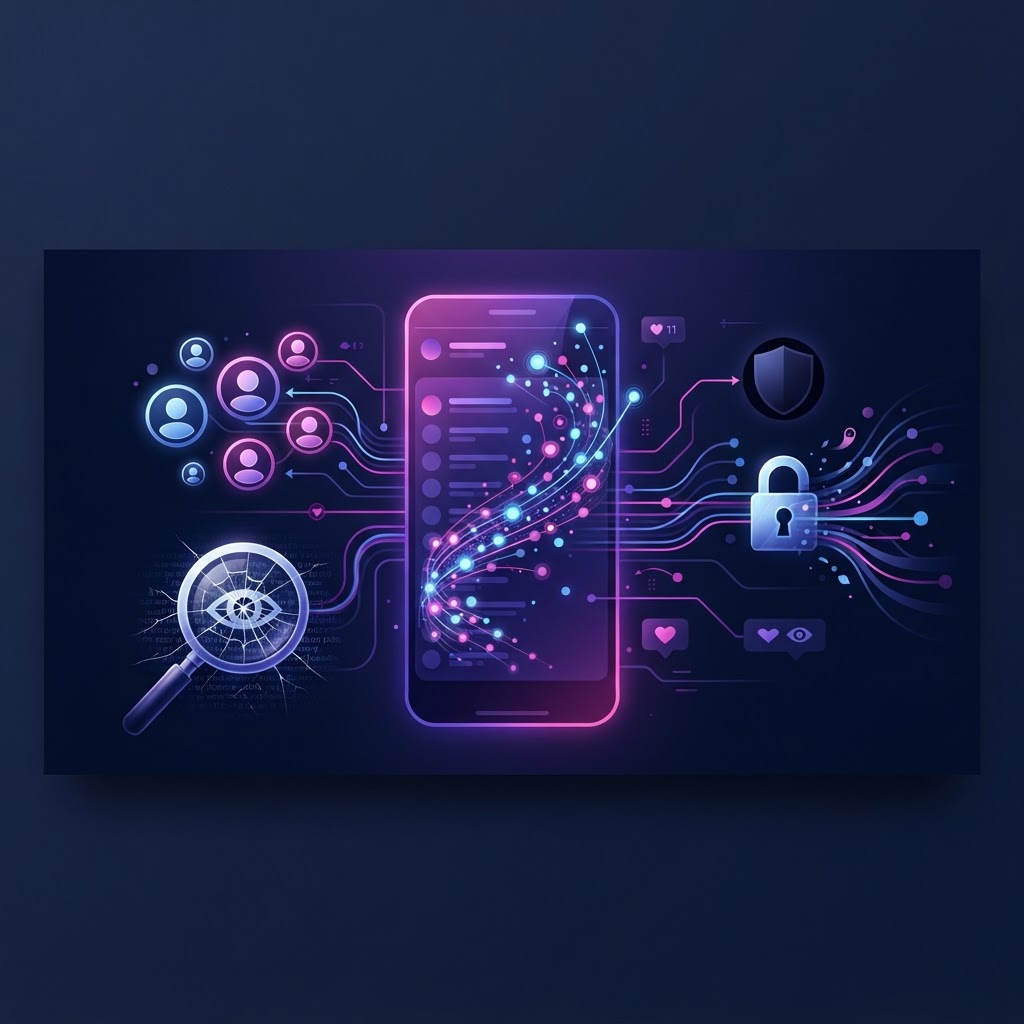
For educators, this functionality introduces a significant professional risk. When you view a student's story from a school-sanctioned account, you leave a permanent 'view' receipt. This digital footprint can inadvertently change the power dynamic of the classroom. It may create unrealistic expectations for ongoing interaction, signal that an instructor is monitoring private personal affairs, or cause social discomfort for the student. An Instagram story viewer for educators acts as a technical proxy. It intercepts the request to the Instagram servers, effectively decoupling the user's profile metadata from the content being viewed. By acting as an intermediary, these tools allow educators to retrieve the data packets of the story without sending back the identifier that registers a 'view' in the student's dashboard.
Why Educators Need Discretionary Viewing Tools
Professionalism requires the maintenance of boundaries. When an educator participates in a student's private digital life, even passively, it can blur the lines between being a mentor and being a peer. Discretionary viewing tools offer a way to observe the digital 'ambient temperature' of the student body without triggering the social repercussions of active interaction. This allows for a clean separation between the educator’s role as an authority figure and the student’s role as an individual with a private life.
Decoding Student Digital Culture Through Observation
Observation is the first step toward effective communication. By viewing stories anonymously, educators can engage in a form of 'digital anthropology.' This process helps identify several key areas of student culture:
- The evolution of slang: Staying updated on the current vernacular prevents an educator from appearing completely disconnected from the student's world.
- Academic stressors: Recognizing patterns in how students post about school-related tasks or time management issues can highlight systemic pressures that teachers might otherwise miss.
- Content consumption habits: Understanding whether students prefer fast-paced, high-energy edits or reflective, image-based narratives allows for more effective classroom media adaptation.
- Visual aesthetics: By noting the design trends that catch students' attention, teachers can improve the visual quality of their own instructional presentations.
Maintaining Professional Equilibrium
Anonymity functions as a safety mechanism for both parties. For the student, it ensures that their extracurricular time remains free from the gaze of the classroom, preserving their right to personal expression. For the teacher, it eliminates the possibility of social accidents—such as mistakenly interacting with a sensitive post or appearing as an omnipresent figure in a student's digital analytics. Maintaining this equilibrium is essential for preserving the trust necessary for a healthy teacher-student relationship.
Integrating Data-Driven Insights into Your Curriculum
Data-driven pedagogy is not limited to test scores and attendance records. It extends to the social and cultural behaviors that drive student motivation. Once an educator has gathered insights through anonymous observation, the next phase is the intentional application of that data into the classroom strategy.
Enhancing Content Strategy
If observations reveal that students respond most favorably to concise, modular content, then the teacher should adjust their delivery accordingly. For instance, if you note that students consume 'how-to' style videos with high engagement, you might replace a dense block of written instructions with a succinct, visually engaging breakdown of the task. This transition makes the educational material feel native to the student's digital ecosystem, thereby reducing cognitive resistance to new or challenging topics.
Building a Supportive Classroom Culture
- Aligning with interests: Use observed passion points to create real-world connections in lesson plans. If a specific charitable cause or local event is trending in your student body, referencing it during a lecture immediately increases interest.
- Collaborative formats: Integrate the interactive tools found in social platforms, such as polls or sentiment sliders, into your classroom management software. This makes the administrative process feel collaborative rather than top-down.
- Celebrating digital wins: Recognize the creative efforts students show in their personal lives by creating an environment where their digital voices are heard and respected within the classroom discussion.
Try InstaSPY now
View your first Instagram profile anonymously for free
Enter a username to view available stories, highlights, reels, and posts without an Instagram login.
No Instagram password required
Practical Steps and Implementation Strategy Across Devices
Effective implementation requires consistency. Whether you are at your desk reviewing curriculum or moving between rooms with a mobile device, your workflow for gathering insights should be streamlined and efficient.
Walkthrough: Desktop vs. Mobile Browsing
- Desktop Strategy: For intensive trend analysis or documentation, the desktop environment is superior. It allows for multi-window usage where you can observe content while simultaneously documenting key takeaways in your lesson plan database. This setup is ideal for long-term tracking of student interest trends over a semester.
- Mobile Strategy: The mobile browser approach is best suited for on-the-go checks. Educators often encounter student references to ongoing digital events while they are in the classroom or passing periods. A mobile-optimized viewer ensures that you can check these references quickly without disrupting your active teaching duties.
Troubleshooting Common Issues
- Loading Latency: If a story does not appear, it is often due to temporary network fluctuations. Simply refreshing your session usually resolves this. If the issue persists, ensure that the target profile is indeed public, as private accounts will remain unreachable by any viewer tool.
- Visual Quality Issues: Ensure your browser is fully updated. Modern web-based viewers utilize high-definition rendering that may conflict with outdated browser engines.
- Privacy Configurations: Be aware that if a student restricts their account, even an anonymous viewer cannot penetrate those security layers. Respecting these boundaries is not just a requirement for using such tools; it is a fundamental aspect of digital citizenship.
Safety, Ethics, and Best Practices for Educators
Using an Instagram story viewer for educators comes with a moral responsibility. The primary objective is pedagogical enhancement, not the collection of compromising information. Educators must never use these tools to engage in cyberstalking, identify personal secrets for the purpose of confrontation, or bypass school-mandated privacy policies.
It is imperative to maintain a strict internal-only policy regarding your findings. The information gained should be treated as observational data meant to inform your own teaching style. Under no circumstances should you mention that you have seen specific content from a student's private social media to them or their peers. Using such information to confront a student creates a breach of trust that is often irreparable. Always check your district’s 'Acceptable Use Policy' regarding social media to ensure that your methods remain compliant with local regulations and ethical standards.
Frequently Asked Questions
How does an Instagram story viewer for educators help in the classroom?
It allows for passive, anonymous observation of cultural trends, enabling educators to align their instructional styles with the media habits and interests of their students without creating social friction.
Is it safe to use anonymous viewing tools?
When using reputable services, it is safe. These tools are designed as secure proxies that prevent your personal account data from being transmitted to the story author, ensuring complete professional anonymity during the browsing process.
Can this replace traditional student feedback methods?
Absolutely not. These tools provide passive, macro-level observations. They should never replace active communication methods like one-on-one check-ins, classroom surveys, or parent-teacher discussions, which are essential for ethical student engagement.
What are the limitations of this method?
Passive observation lacks the full context of a human interaction. It is a 'snapshot' of digital behavior that cannot replicate the depth of face-to-face dialogue or provide a full understanding of a student's emotional state.
Does the tool work if the student blocks me?
Yes, because the viewer tool operates as an independent session that does not link to your personal or professional Instagram profile. Even if your personal account is blocked, the viewer tool functions as a separate, anonymous entity.
Are there legal risks?
Viewing content that is publicly available on a platform is generally not illegal. However, your ethical and contractual obligations to your school district are paramount. Always use these tools for research purposes and ensure your actions align with your institutional code of conduct.
Conclusion
Modern teaching requires a nuanced approach to the digital world. By incorporating an Instagram story viewer for educators into your pedagogical toolkit, you gain an unmatched advantage in understanding the cultural currency of your students. This deeper understanding enables you to pivot your teaching methods to be more relevant, accessible, and ultimately more effective. The goal is to build a bridge between your expertise and the students' digital experience, fostering a classroom culture defined by mutual respect and modern engagement. By maintaining professional boundaries and using these insights to enrich your curriculum, you can transform your teaching practice and stay relevant in an increasingly digital future.