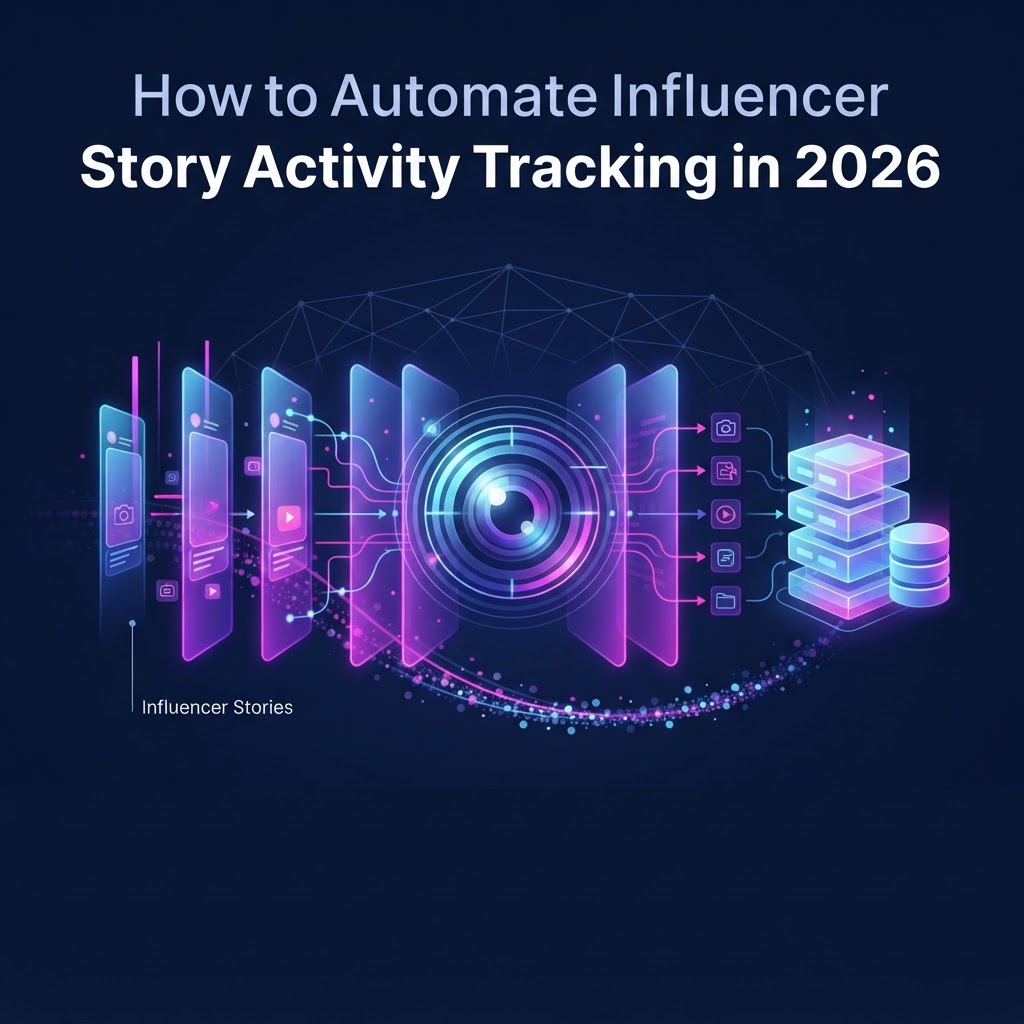
The Intersection of Digital Surveillance and Professional Research. In the modern digital landscape, Instagram Stories have become the primary medium for unfiltered, ephemeral updates. The transient nature of this content creates a unique tension: while updates feel temporary, the act of viewing them typically leaves a digital footprint. Mastering private Instagram story viewing ethics is essential for users who wish to balance their intellectual curiosity with a profound respect for digital boundaries. Whether you are a business owner or a researcher, you can start exploring content anonymously to learn more about maintaining your privacy while gathering insights. This guide explores the delicate balance between professional inquiry and individual privacy, providing a framework for responsible digital navigation.
The Technical Mechanics of the Instagram Seen List. Understanding why anonymity is a concern requires a deep dive into how Instagram processes data. When a user publishes a Story, the Instagram server logs each unique User ID that fetches the media file. This data is stored in a temporary database that the content creator can access for 24 hours. The 'seen' list is not merely a social feature; it is an integrated part of Instagram’s engagement architecture. Every time your application requests a Story thumbnail or video asset, the platform marks your profile as a 'viewer.' By removing your identity from this feedback loop, you are technically preventing a specific data handshake between your client ID and the content owner's dashboard. This process is distinct from the permanent log of posts, as the story metadata is ephemeral by design, yet it remains a tracking tool for creators.
How Data Requests Trigger Notifications. When you open a story, your client sends a request to the server containing your authorization token. The server verifies your session, fetches the media, and concurrently appends your User ID to the array of viewers for that specific content. This is a real-time event. If you are using a standard mobile app, this registration is near-instantaneous. The notification isn't just a list; it is a signal of reach. For creators, this list provides essential feedback on their audience's engagement habits. When you mask your presence, you are effectively opting out of the analytics chain that powers the creator's social visibility data.
Desktop vs. Mobile Discrepancies. Mobile apps typically utilize high-frequency polling, meaning your view is registered the moment the story is rendered in your feed. Desktop browsers, however, may experience slight delays due to how they handle network requests and caching. Despite these latency variations, the server-side logging remains consistent. Whether you use a smartphone or a PC, the server registers your activity at the moment the media request is fulfilled. Understanding this discrepancy is vital for those who believe they can 'outrun' the tracking system through different device architectures; ultimately, the server does not differentiate between hardware platforms, only between authenticated user requests.
Ethical Frameworks for Professional Market Research. Marketing professionals often monitor industry competitors to stay relevant. Ethical viewing in a business context centers on content strategy rather than tracking individuals. You can study competitive storytelling styles to understand how to benchmark your brand against industry leaders without crossing into personal intrusion. Professional research requires that you distance yourself from personal interest and focus strictly on performance metrics. This is the difference between surveillance and analysis. When viewing for professional growth, you are looking for patterns, frequency of posting, call-to-action effectiveness, and aesthetic consistency. If your research goals focus on these objective metrics, you maintain an ethical distance from the human element of the content creator's personal life.
The 'Macro' vs. 'Micro' Research Approach. A macro approach involves tracking broad industry trends, such as how a demographic reacts to specific color palettes or promotional timing. A micro approach involves analyzing a single competitor's daily interactions. The ethical risk increases significantly as you move toward the micro level. To remain ethical, always prioritize the macro: focus on the aggregate performance rather than the minute-by-minute movements of an individual. By keeping your scope wide, you minimize the risk of becoming a silent observer of private personal moments, which serves no professional purpose and borders on invasive behavior.
Documentation and Data Retention. If you discover valuable inspiration, you may need to document and preserve these ideas for internal brainstorming. This systematic approach ensures that your research remains focused on professional growth. Ethically, this means treating the content as 'public data for analysis.' Do not share the content beyond your immediate professional team, and never represent the creator's content as your own. If you capture a screenshot for a mood board, ensure it is archived in a secure, internal folder and never distributed publicly. Proper data hygiene is a critical component of ethical research that is often ignored by casual observers.
The Psychology of the Seen List and Social Pressure. Digital platforms are built on engagement metrics. When a creator posts a story, they are presented with a list of viewers. This list serves as a social currency—an indicator of who is paying attention and who is 'in the loop.' By opting out of this list, you are not manipulating the creator; you are simply removing the social pressure that the feature inherently imposes. This allows for a more authentic consumption experience where the content is evaluated on its own merit rather than the identity of the viewer. Understanding the psychological weight of this list is important; it explains why people get upset when they see an ex-partner or a rival on their 'seen' list. Anonymity mitigates this friction, allowing both parties to interact with the platform without the interference of social anxiety.
Opting Out of the Feedback Loop. Removing yourself from the feedback loop is an act of digital mindfulness. When you view anonymously, you are choosing to detach from the social transactional nature of Instagram. This allows for an objective consumption experience. You aren't 'watching them' in a social sense; you are observing content as a data point. This shift in mindset is crucial for maintaining your own mental health and respecting the privacy of others. It helps prevent the tendency to monitor others based on social jealousy or professional comparison, which is a common pitfall for those who frequently browse social media.
Try InstaSPY now
View your first Instagram profile anonymously for free
Enter a username to view available stories, highlights, reels, and posts without an Instagram login.
No Instagram password required
Best Practices for Maintaining Ethical Standards. To ensure your research activities remain beyond reproach, consider these three pillars of ethical engagement:
- Intent Verification: Always ask yourself why you are viewing specific content. If the answer is related to personal curiosity rather than professional needs, reevaluate your approach.
- Data Objectivity: Focus on qualitative and quantitative analysis of content style, frequency, and messaging. Avoid recording or utilizing personal details that have no bearing on your research goals.
- Respect for Limitations: Acknowledge that the digital space is vast. If a user restricts their content, respect that boundary completely. Ethical boundaries are not just about platform rules; they are about maintaining a standard of conduct that prevents you from becoming a silent, uninvited participant in another person's private life.